
💰 Financial Security
-
"Many consumers face unforeseen threats to financial well-being, from individual household shocks like a needed car repair, medical bill, or job loss, to broader-scale shocks, such as natural disasters and global health crises." Sadly, many Americans struggle to save anything: Emergency Savings and Financial Security, Consumer Financial Protection Bureau
-
"If your employer offers a matching contribution on your retirement plan, take advantage"!!!: Bogleheads® investing start-up kit
-
Your investment time horizon changes the optimal level of risk-taking over your lifetime, so you want to increase the ratio of bonds to stocks you hold in your portfolio as you age: "[A]s we age, we usually have (1) more wealth to protect, (2) less time to recoup severe losses, (3) greater need for income, and (4) perhaps an increased nervousness as markets jump around. All four of these factors suggest more bonds as we age." John Bogle, quoted in: Bogleheads® investment philosophy
-
You can and should periodically review your credit reports for mistakes: "How do I get a free copy of my credit reports?", Consumer Finance Protection Bureau
-
Emergency Fund > Employer matching > Pay down high-interest debt > IRA contribution > etc.: "I have $X, what should I do with it?"
-
Before taking Social Security retirement payments, research the relationship between when you begin taking benefits and how much you'll receive because payments are larger the longer you wait: US Social Security Administration, "Delayed Retirement Credits"

📽️ Videos
Financial Literacy for Dummies (Like Me) with JL Collins: Hasan Minhaj
The investment traps that destroy wealth and how to avoid them: Barry Ritholtz on Big Think
"Some of The Unhappiest People In The World": Morgan Housel
Stoicism's Simple Secret To Being Happier: Ryan Holiday (Daily Stoic)
5 Money Rules That Will Change Your Life & Create Financial Freedom: Mel Robbins & David Bach
The most powerful way to think about money: Paula Pant
3 Things I Wish I Knew When I Was Broke: Vivian Tu on TED
Investing Basics: The Power of Compounding: Charles Schwab
Personal finance: How to save, spend, and think rationally about money: Big Think
Serial investor JL Collins reveals why renting is smarter than buying, the biggest lies about investing, how tax and debt destroy wealth, and how small savings will TRANSFORM your life!: The Diary of a CEO
The Purpose of Independence, Lazy Work, and Believing Forecasts: Morgan Housel
Banking Explained – Money and Credit: Kurzgesagt – In a Nutshell
📰 Articles
-
If You Can: How Millennials Can Get Rich Slowly: William J. Bernstein
-
Percentage of Large-Cap Domestic Equity Funds Underperforming the S&P 500 Each Year: S&P Global
-
How Fees and Expenses Affect Your Investment Portfolio: Investor.gov
-
Even God Couldn’t Beat Dollar-Cost Averaging: Nick Maggiulli
-
The Shockingly Simple Math Behind Early Retirement: Mr. Money Mustache
📚 Books
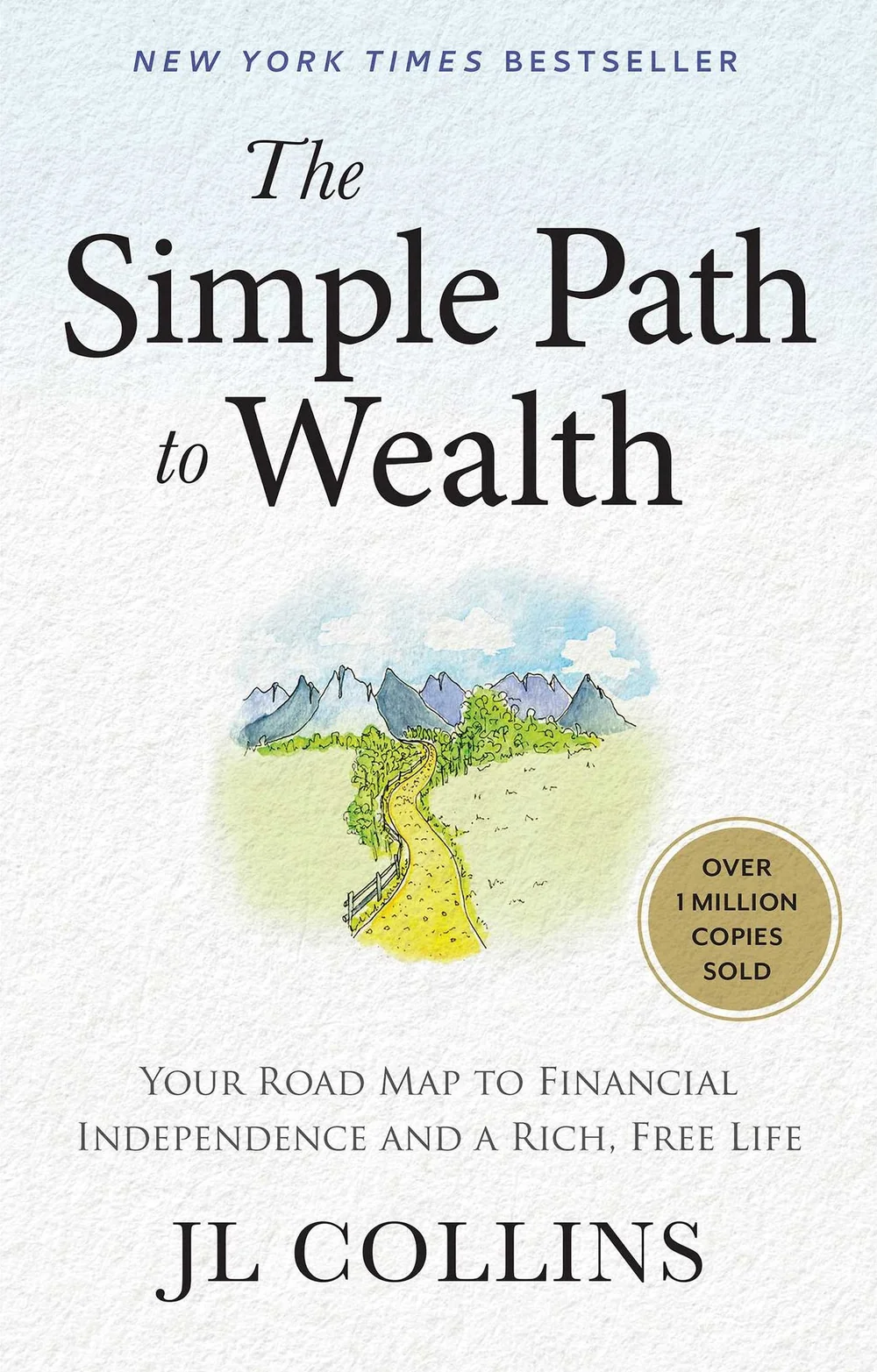
The Simple Path to Wealth: Your Road Map to Financial Independence and a Rich, Free Life (Revised & Expanded) by JL Collins
Book page | Barnes & Noble | Amazon
Official description: Instant New York Times Bestseller. Seen on "Hasan Minhaj Doesn't Know" and "The Diary of a CEO."
The Proven Guide from the Godfather of Financial Independence-now comprehensively updated and expanded. New edition includes: updated data, FAQ, a Simple Path to Wealth Punchlist, Resources & Tools.
"Beautifully written, a simple book that will have a profound impact on your life." -Morgan Housel, author of The New York Times bestseller The Psychology of Money
What if the path to wealth isn't about timing the market or picking hot stocks, or even about paying someone else to do it for you? What if it's actually about following a radically simple plan that's not only easier to implement, but also more lucrative than the alternatives?
Drawing from fifty years of investing experience, and born out of a series of letters the author wrote to his daughter, The Simple Path to Wealth has become foundational to the FIRE (Financial Independence, Retire Early) movement, inspiring hundreds of thousands of readers to reimagine their relationship with money and freedom. The real-world success of Collins' approach is documented in Pathfinders, his collection of stories from readers who have transformed their financial lives using his method.
Whether you care deeply about money, or never want to think about it at all, you're living in a culture of spending. Everyone's telling you that handing over your cash for this gadget, this potion, this lifestyle is the key to happiness. Meanwhile, the reality is that happiness is more likely to come from having the financial freedom to live the life you really want.
Whatever your relationship with money, you will be heartened by Collins' essential insight, which is that simplicity beats complexity every time.
This comprehensive guide covers everything from debt elimination to optimizing retirement accounts, all while exposing the marketing myths and investment industry practices that keep most people from building real wealth. Collins shares specific, actionable strategies for both wealth-building and wealth-preservation phases, with a straightforward approach to asset allocation that anyone can implement.
Collins' direct, often irreverent style makes complex financial concepts crystal clear, giving readers the tools and confidence to take control of their financial future.
More than just another investment book, The Simple Path to Wealth is a blueprint for financial independence - showing readers how to break free from the financial industry's traps and live life on their own terms.
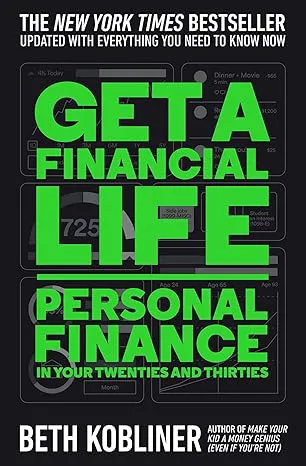
Get a Financial Life: Personal Finance in Your Twenties and Thirties by Beth Kobliner
Book page | Hoopla (older edition) | Bookshop.org | Barnes & Noble | Amazon | Target
Official description: The New York Times bestselling money guide for people in their twenties and thirties—it’s all-new, and just in time! This completely revised and updated 5th edition will help Gen Z and millennials get a financial life.
If you’re in your twenties or thirties, you probably think you’ll never live as well as your parents. And who can blame you?
Rents are higher than they’ve been in years, and the concept of buying a home of your own seems like a pipe dream. You’re carrying more student debt than any previous generation, while confronting an extremely tough job market in incredibly uncertain times. It’s not surprising that many of you have turned to credit cards—or your parents—to help you get by. Even if you are fortunate enough to have a job and a 401(k), the uncertainty of the economy, surging prices, and the volatility of the market make you worry if you’re investing in the right way.
For three decades and counting, Beth Kobliner’s bestseller Get a Financial Life: Personal Finance in Your Twenties and Thirties has been the leading financial guide for young people. Whether you’re trying to climb the corporate ladder or doing your own thing, whether you’re single or partnered up, whether you’re financially inclined or fiscally challenged, this book offers advice that has stood the test of time—as well as fresh information to make smart decisions today.
In this new edition, Kobliner teaches you how to pay down debt, get a good return on your savings, and plan for your future. Straight from the latest research, learn how to choose the right bank, avoid excessive fees, and rein in spending. You’ll get unbiased advice on the latest trends in personal finance—from neobanks and finfluencers to online fraud and cryptocurrency. And you’ll get answers to important questions: When is it smart to rent rather than buy (and vice versa)? How can I really improve my credit score? When is the right time to invest in the stock market—and how? How do I save money on my taxes?
Get a Financial Life has already helped half a million people get a handle on their money, no matter how much or little they have. No wonder it’s remained the young money bible for more than thirty years.
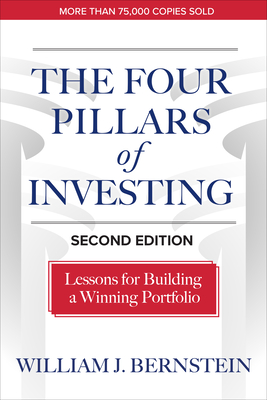
The Four Pillars of Investing (2nd Ed): Lessons for Building a Winning Portfolio by William J. Bernstein
Book page | Hoopla | Barnes & Noble | Amazon
Official description: The classic guide to constructing a solid portfolio―without a financial advisor!
First published two decades ago, The Four Pillars of Investing has been the go-to resource for an entire generation of investors. This updated edition of the investing classic provides the foundational knowledge you need to avoid the most common pitfalls and build a portfolio in today's roller-coaster world of investing.
Retired neurologist and master investor William J. Bernstein has seen it all throughout his career. Buying investments with borrowed money. Chasing past performance. Overestimating one's own risk tolerance. Listening to cable news. These are just a few of the many mistakes he has witnessed smart, serious investors make, to the peril of their portfolios. Add to these behavioral errors such economic factors as deflation, sudden stock declines, soaring inflation, and the like-and investing can seem like something to be avoided at all costs. But with the right discipline and knowledge, you can build and manage an impressive portfolio. It all comes down to understanding four key pillars:
- Theory: Risk and return go hand in hand-you can't make money without risk
- History: Understand past markets to understand today's markets
- Psychology: Avoid the most common behavioral mistakes that tank portfolios
- Business: The cost of investment services can be high-unreasonably high
After taking you on a deep dive into each of these topics, Bernstein walks you through the process of designing and maintaining a powerful portfolio.
Times have changed. Economies have changed. And markets are ever-changing. But sound investing principles haven't changed. Use The Four Pillars of Investing to stay a step ahead of your investing peers and build a portfolio to be proud of.
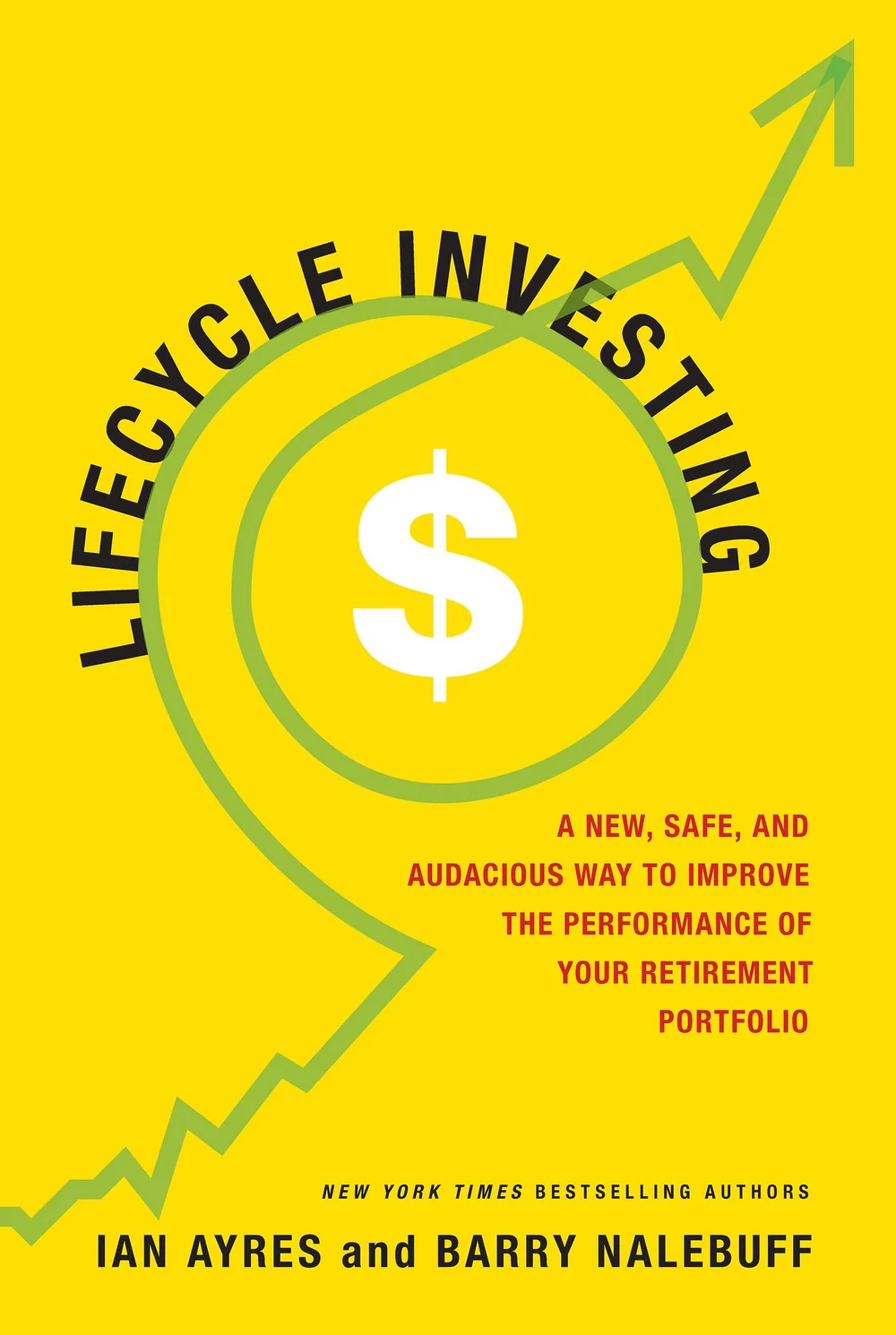
Lifecycle Investing: A New, Safe, and Audacious Way to Improve the Performance of Your Retirement Portfolio by Ian Ayres and Barry Nalebuff
Book page | Hoopla | Barnes & Noble | Amazon
Official description: In finance, as in life, there's no such thing as a free lunch-unless you're well diversified. The push toward diversification inspires many investors to buy index funds, which is a smart move. But most people have missed the chance to diversify over their investing lifecycle.
Now, for the first time, Ian Ayres and Barry Nalebuff-two of the most innovative thinkers in business, law, and economics-present investors with a set of tools that will allow us to diversify our portfolios over time, a radical innovation. By leveraging our portfolios when we're young (and leveraging less as we get older), nearly all investors can reduce risk while improving returns. Clearly written and extensively supported by ground-breaking research, Lifecycle Investing presents a simple idea for individual investors that promises to radically transform how all of us retire.
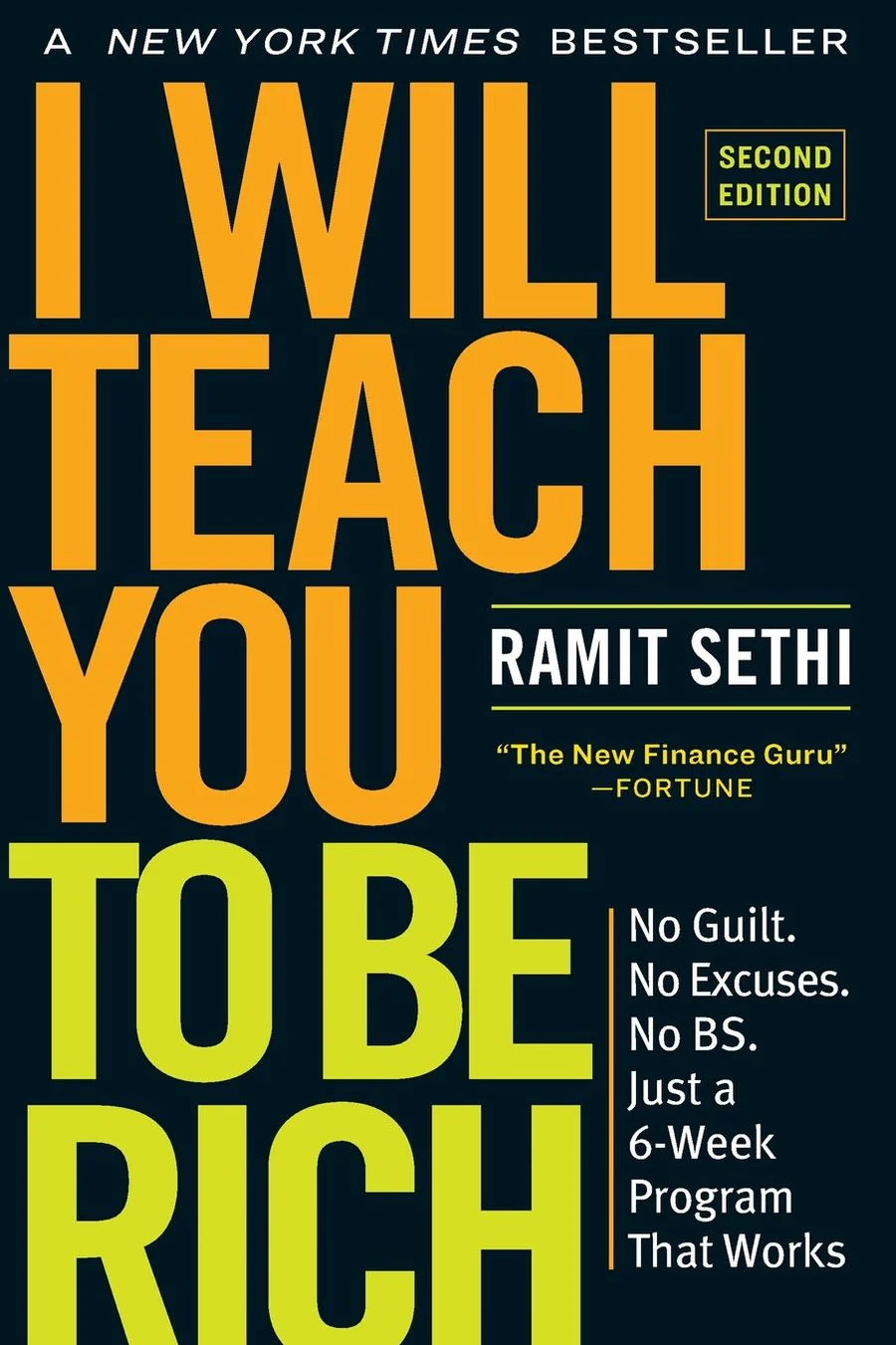
I Will Teach You to Be Rich (2nd ed): No Guilt. No Excuses. Just a 6-Week Program That Works by Ramit Sethi
Book page | Hoopla | Barnes & Noble | Amazon
Official description: The groundbreaking New York Times bestseller that taught a generation how to earn more, save more, and live a rich life-now in a revised 2nd edition.
Personal finance expert Ramit Sethi has been called a "wealth wizard" by Forbes and the "new guru on the block" by Fortune. Now he's updated and expanded his modern money classic for a new age, delivering a simple, powerful, no-BS 6-week program.
I Will Teach You to Be Rich will show you:
- How to crush your debt and student loans faster than you thought possible
- How to set up no-fee, high-interest bank accounts that won't gouge you for every penny
- How Ramit automates his finances so his money goes exactly where he wants it to-and how you can do it too
- How to talk your way out of late fees (with word-for-word scripts)
- How to save hundreds or even thousands per month (and still buy what you love)
- And so much more!
Plus, this 10th anniversary edition features over 80 new pages, including:
- New tools
- New tools on money and psychology
- Amazing stories of how previous readers used the book to create their rich lives
Master your money-and then get on with your life.
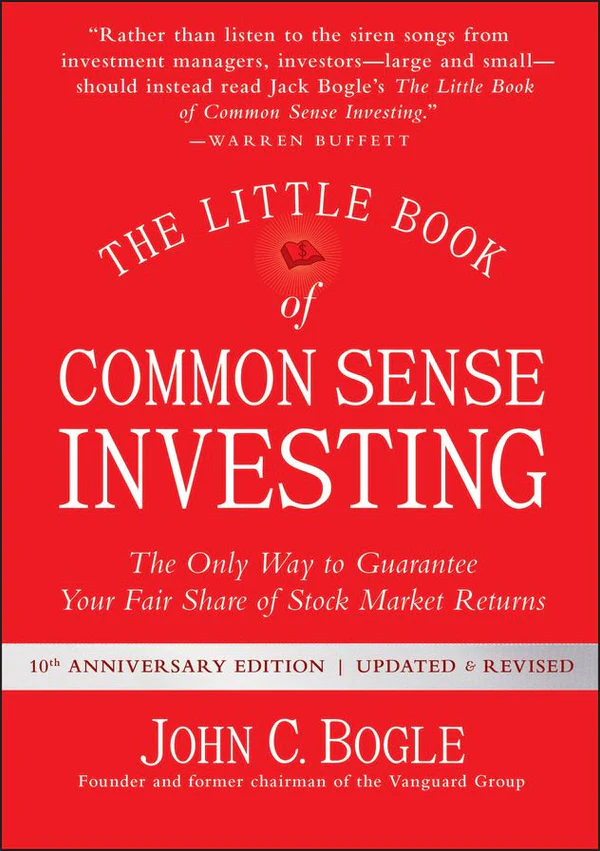
The Little Book of Common Sense Investing: The Only Way to Guarantee Your Fair Share of Stock Market Returns by John C. Bogle
Book page | Hoopla | Barnes & Noble | Amazon
Official description: The best-selling investing "bible" offers new information, new insights, and new perspectives
The Little Book of Common Sense Investing is the classic guide to getting smart about the market. Legendary mutual fund pioneer John C. Bogle reveals his key to getting more out of investing: low-cost index funds. Bogle describes the simplest and most effective investment strategy for building wealth over the long term: buy and hold, at very low cost, a mutual fund that tracks a broad stock market Index such as the S&P 500.
While the stock market has tumbled and then soared since the first edition of Little Book of Common Sense was published in April 2007, Bogle's investment principles have endured and served investors well. This tenth anniversary edition includes updated data and new information but maintains the same long-term perspective as in its predecessor.
Bogle has also added two new chapters designed to provide further guidance to investors: one on asset allocation, the other on retirement investing.
A portfolio focused on index funds is the only investment that effectively guarantees your fair share of stock market returns. This strategy is favored by Warren Buffett, who said this about Bogle: "If a statue is ever erected to honor the person who has done the most for American investors, the hands-down choice should be Jack Bogle. For decades, Jack has urged investors to invest in ultra-low-cost index funds. . . . Today, however, he has the satisfaction of knowing that he helped millions of investors realize far better returns on their savings than they otherwise would have earned. He is a hero to them and to me."
Bogle shows you how to make index investing work for you and help you achieve your financial goals, and finds support from some of the world's best financial minds: not only Warren Buffett, but Benjamin Graham, Paul Samuelson, Burton Malkiel, Yale's David Swensen, Cliff Asness of AQR, and many others.
This new edition of The Little Book of Common Sense Investing offers you the same solid strategy as its predecessor for building your financial future.
- Build a broadly diversified, low-cost portfolio without the risks of individual stocks, manager selection, or sector rotation.
- Forget the fads and marketing hype, and focus on what works in the real world.
- Understand that stock returns are generated by three sources (dividend yield, earnings growth, and change in market valuation) in order to establish rational expectations for stock returns over the coming decade.
- Recognize that in the long run, business reality trumps market expectations.
- Learn how to harness the magic of compounding returns while avoiding the tyranny of compounding costs.
While index investing allows you to sit back and let the market do the work for you, too many investors trade frantically, turning a winner's game into a loser's game. The Little Book of Common Sense Investing is a solid guidebook to your financial future.